Kicking off with How to Become a Certified Personal Trainer in Florida: Full-Time vs. Part-Time Salary Comparison, this opening paragraph is designed to captivate and engage the readers, providing a brief overview of the topic.
The subsequent paragraph will delve deeper into the details and specifics of the comparison between full-time and part-time personal trainers in Florida.
Full-Time vs. Part-Time Personal Trainer
When considering a career as a personal trainer in Florida, it's essential to weigh the pros and cons of working full-time versus part-time to make an informed decision that aligns with your goals and lifestyle.
Roles and Responsibilities of a Full-Time Personal Trainer
- Designing personalized workout plans for clients
- Conducting fitness assessments and monitoring progress
- Providing guidance on nutrition and lifestyle changes
- Managing client schedules and bookings
- Continuing education to stay current with fitness trends
Comparison of Working Hours, Flexibility, and Benefits
Full-Time Personal Trainer:
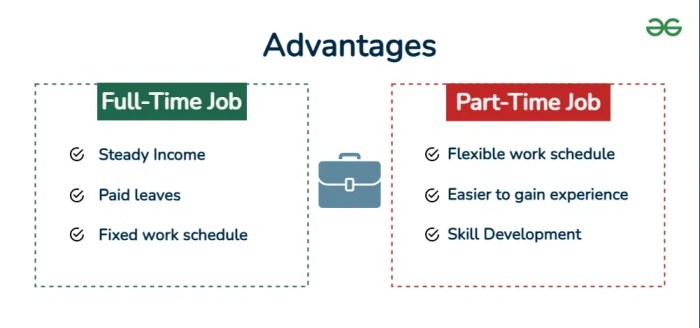
- Typically works 40+ hours per week
- Less flexible schedule with set working hours
- May receive benefits such as health insurance and paid time off
Part-Time Personal Trainer:
- Works fewer than 40 hours per week
- More flexibility in setting work hours
- Likely does not receive benefits like health insurance or paid time off
Impact on Career Growth and Client Base
- Full-Time Trainers have more time to dedicate to building their client base and expanding their services
- Part-Time Trainers may have limited availability for new clients and slower career growth
- Working full-time can lead to faster career advancement opportunities and a larger network of clients
Certification Requirements in Florida
Becoming a certified personal trainer in Florida requires meeting specific qualifications and obtaining the necessary certifications. Let's explore the process in detail.
Necessary Certifications and Qualifications
To become a certified personal trainer in Florida, you need to hold a high school diploma or GED. Additionally, you must obtain a certification from a nationally recognized organization such as NASM, ACE, ACSM, or NSCA.
Process of Obtaining Certification
The process of obtaining certification typically involves completing a training program, passing a certification exam, and paying the associated fees. Training programs can be completed online or in-person, and the costs vary depending on the organization.
Additional Requirements in Florida
In Florida, personal trainers may also need to obtain liability insurance to protect themselves and their clients. It's important to research any state-specific requirements or regulations that apply to personal trainers in Florida.
Salary Comparison
When it comes to the salary of personal trainers in Florida, there are significant differences between full-time and part-time positions. Let's delve into the average salary ranges, factors influencing these variations, and strategies for maximizing income in this field.
Average Salary Ranges
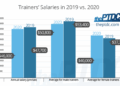
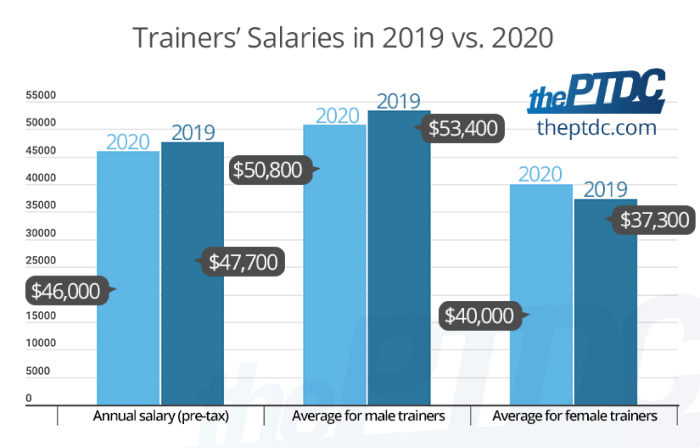
According to data from the Bureau of Labor Statistics, the average annual salary for full-time personal trainers in Florida ranges from $30,000 to $60,000, depending on experience, location, and clientele
Factors Influencing Salary Discrepancies
- Experience level: More experienced trainers often command higher salaries.
- Clientele: Trainers with a solid client base or specialized training may earn more.
- Location: Urban areas tend to offer higher pay compared to rural areas.
- Certifications: Holding additional certifications or specialties can lead to increased earning potential.
Potential Income Maximization Strategies
- Continuing education: Stay updated on the latest fitness trends and techniques to attract more clients.
- Specialize: Focus on a niche market such as post-rehabilitation training or sports-specific coaching to stand out and charge higher rates.
- Offer group classes: Hosting group sessions can help increase revenue by training multiple clients simultaneously.
- Market yourself: Utilize social media and networking to promote your services and expand your client base.
Growth Opportunities and Specializations
As a certified personal trainer in Florida, there are various growth opportunities and specializations that you can pursue to advance your career and increase your earning potential.
Specialization Options for Personal Trainers in Florida
- Strength and Conditioning Specialist: Focuses on enhancing athletic performance through strength training and conditioning programs.
- Group Fitness Instructor: Leads group exercise classes in various settings such as gyms, studios, or outdoor environments.
- Corrective Exercise Specialist: Works with clients to address movement dysfunctions and prevent injuries through targeted exercises.
Benefits of Pursuing Additional Certifications
Obtaining additional certifications or specializations can set you apart from other trainers, attract more clients, and increase your earning potential.
Advanced Training Programs and Certifications
- NASM Master Trainer Certification: Provides in-depth knowledge and skills in training techniques, program design, and client assessment.
- ACE Health Coach Certification: Focuses on behavior change strategies, nutrition coaching, and lifestyle modification to support clients in achieving their health and fitness goals.
Final Summary
Concluding the discussion on How to Become a Certified Personal Trainer in Florida: Full-Time vs. Part-Time Salary Comparison, this final paragraph summarizes key points and leaves readers with a lasting impression of the topic.
Query Resolution
What are the certification requirements to become a personal trainer in Florida?
To become a certified personal trainer in Florida, you need to obtain specific certifications like CPR/AED, pass exams, complete training programs, and meet any state-specific requirements.
What is the average salary range for full-time personal trainers in Florida?
The average salary range for full-time personal trainers in Florida varies but generally falls between $40,000 to $60,000 per year, depending on experience and location.
How can personal trainers maximize their income in Florida?
Personal trainers in Florida can maximize their income by offering specialized services, building a strong client base, and continuously updating their skills and certifications to stay competitive in the market.